
Septic Pumping and Repair Company in St. Cloud MN
A septic pumping and repair contractor in St. Cloud, MN helps homeowners and property owners keep onsite wastewater systems working safely and dependably. From routine septic tank pumping and clogged line concerns to slow drains, sewage backups, pump problems, drainfield issues, odors, inspections, and emergency repair needs, professional septic service helps protect the home, yard, groundwater, and daily comfort.
A septic system works quietly until something goes wrong. Toilets may drain slowly, tubs may gurgle, wet spots may appear in the yard, odors may develop near the tank, or wastewater may back up into the home. A dependable septic contractor should inspect the symptoms, pump the tank when needed, explain repair options clearly, and help prevent small warning signs from becoming expensive system failures.
What We Offer
We provide septic tank pumping, inspections, system evaluations, repairs, pump replacement, and troubleshooting for residential and commercial properties. Our team identifies concerns carefully and recommends practical solutions designed to restore proper operation, prevent avoidable problems, and support dependable wastewater management.
Our septic tank pumping service removes accumulated sludge and waste before excessive buildup interferes with system performance. We complete the work carefully, assess visible conditions during service, and help property owners maintain proper capacity while reducing the likelihood of backups and related problems.
Septic Inspections And Compliance
Our inspection and compliance service evaluates tanks, accessible components, pumps, and other system conditions for potential concerns. We document relevant findings clearly and help property owners understand maintenance or corrective needs, providing useful information for routine ownership, property transactions, and applicable requirements.

Septic Repair And Pump Replacement
Our repair and pump replacement service addresses failing pumps, damaged components, poor wastewater movement, and other operational problems. We diagnose the issue before recommending repairs or replacement, helping restore reliable performance without unnecessary work while protecting surrounding areas throughout the service process.
Septic Pumping Near Me
Protect your property with dependable service focused on proper system performance and practical solutions. Contact our team today to schedule pumping, request an inspection, or discuss warning signs that may require repair. We will evaluate your needs, explain appropriate options, and provide a clear path forward. Count on us for responsive communication, careful workmanship, and reliable support that helps keep your wastewater system functioning properly and your property protected.
Septic Services Designed For Michigan Homes
Many Michigan homes and small properties depend on septic systems instead of municipal sewer service. These systems treat household wastewater from toilets, sinks, showers, dishwashers, laundry, and other drains. When the system is maintained properly, it can serve a home for many years. When it is neglected, the tank, pipes, pump chamber, filter, or drainfield can become overloaded.
A septic system usually includes a pipe from the home, a septic tank, and a soil absorption area often called the drainfield. Solids settle in the tank. Grease and scum float near the top. Liquid wastewater flows out to the drainfield for soil treatment. Pumping removes built-up solids before they move where they do not belong.
| Septic Service | Best For | Main Benefit |
|---|---|---|
| Septic Tank Pumping | Routine maintenance and full tanks | Removes sludge and scum buildup |
| Septic Repair | Broken parts, backups, leaks, and system trouble | Restores safer system function |
| Septic Inspection | Buying, selling, maintenance, or warning signs | Helps identify problems early |
| Drain Cleaning Support | Slow drains, gurgling, and line concerns | Helps locate blockages |
| Septic Pump Repair | Pump chambers, alarms, floats, and electrical components | Restores wastewater movement |
| Drainfield Evaluation | Wet areas, odors, surfacing sewage, slow drainage | Checks possible soil absorption issues |
| Emergency Septic Service | Backups, odors, overflows, urgent problems | Helps protect the home quickly |
Understanding Septic Pumping And Repair Costs
Septic service costs can vary based on tank size, access, lid depth, distance from the truck, how full the tank is, filter condition, system layout, repairs needed, emergency timing, weather, soil conditions, and whether excavation is required. Routine pumping usually costs less than a repair involving pumps, floats, damaged lines, collapsed pipes, or drainfield issues.
Some costs increase because the system is difficult to access. A buried lid, heavy landscaping, frozen ground, tight driveway, long hose reach, or unclear tank location can make the work more involved. If the tank has not been pumped in many years, there may be more buildup, clogs, filter problems, or signs of stress that need attention.
| Project Type | Common Scope | Cost Level |
|---|---|---|
| Routine Tank Pumping | Remove sludge and scum from accessible tank | Lower |
| Pumping With Filter Cleaning | Tank cleaning plus effluent filter service | Low To Medium |
| Septic Inspection | System review, visible concerns, maintenance guidance | Low To Medium |
| Backup Diagnosis | Slow drains, gurgling, sewage backup, line concern | Medium |
| Pump Or Float Repair | Septic pump, alarm, float, or control issue | Medium |
| Pipe Or Baffle Repair | Broken inlet, outlet, tee, or damaged line | Medium To High |
| Drainfield Repair Review | Wet yard, odors, surfacing wastewater, poor absorption | Higher |
What Can Raise The Price
Several details can make septic work more involved:
- Buried or hard-to-find tank lids
- Deep tank access
- Long hose distance from truck to tank
- Frozen or saturated ground
- Heavy sludge buildup
- Clogged effluent filter
- Damaged baffles
- Broken inlet or outlet pipes
- Sewage backup into the home
- Failed pump or alarm system
- Excavation needs
- Drainfield concerns
- Emergency service timing
- Heavy vehicle access limits
- Local health department or permit requirements for repair
What Can Help Keep The Project Practical
Routine maintenance is usually more affordable than waiting for a backup. Pumping on a reasonable schedule helps remove solids before they clog the outlet, filter, pump chamber, or drainfield. It also gives the contractor a chance to notice warning signs while the system is still serviceable.
It helps to keep tank access clear, know where the lids are located, avoid parking heavy vehicles over the system, conserve water during heavy use periods, and avoid flushing wipes, grease, feminine products, paper towels, chemicals, or other items that can damage the system.
Septic Tank Pumping Services
Septic tank pumping removes solids, sludge, and scum that build up inside the tank. This is one of the most important maintenance steps for a septic system. If the tank is not pumped, solids can move toward the outlet, clog the effluent filter, enter the drainfield, and shorten the life of the system.
Professional pumping usually includes locating the tank access, opening the lid, pumping the tank contents, checking visible tank conditions, and discussing any concerns found during service. If the tank has an effluent filter, it may need cleaning as part of regular maintenance.
Septic tank pumping is helpful for:
- Routine maintenance
- Homes with slow drains
- Odors near drains or the tank
- Gurgling plumbing
- Heavy household water use
- Older septic systems
- Real estate preparation
- Before major gatherings
- After signs of system stress
- Septic tanks with unknown service history
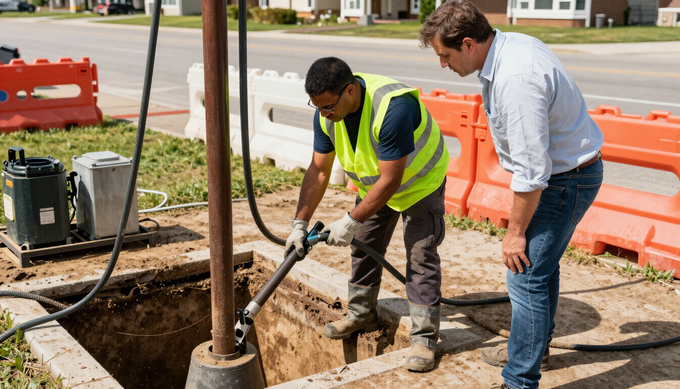
Septic Tank Pumping
Our septic tank pumping services help property owners maintain reliable wastewater systems by removing accumulated sludge, solids, and waste before they create costly problems. We perform each pumping service carefully while checking accessible components for signs of buildup, damage, or performance concerns. Routine maintenance can help reduce backups, unpleasant odors, slow drainage, and unnecessary strain on the system. Our team provides straightforward communication and efficient service while respecting your property throughout the process. Whether you need scheduled maintenance or assistance with an overdue tank, we provide dependable pumping solutions designed to support proper operation and long-term system performance.

Septic Inspections and Compliance
Our septic inspections and compliance services help property owners understand system conditions and identify concerns before they become larger problems. We evaluate accessible tanks, pumps, lines, components, and operating conditions for signs of damage, excessive buildup, or improper function. Our team documents relevant findings clearly and explains any maintenance or repair needs discovered during the inspection. Whether you need an evaluation for routine property management, a real estate transaction, or applicable compliance requirements, we provide thorough service and practical guidance. Our goal is to help you maintain dependable wastewater performance while making informed decisions about your property.
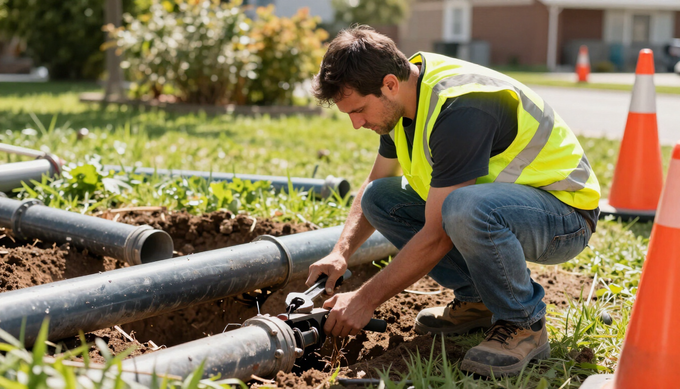
Septic Repair and Pump Replacement
Our septic repair and pump replacement services help restore dependable operation when wastewater systems develop mechanical or functional problems. We troubleshoot failing pumps, damaged components, poor wastewater movement, unusual alarms, backups, and other performance concerns to determine the appropriate solution. Our team explains what we find and recommends targeted repairs whenever practical, replacing pumps when existing equipment can no longer operate reliably. We complete each service with careful attention to system function and surrounding property conditions. Whether you are experiencing an unexpected failure or declining performance, we provide responsive solutions designed to restore operation and prevent further complications.
Septic Repair Or Replacement: How To Know The Difference
Not every septic problem means the system needs replacement. Some issues are repairable. A clogged filter, damaged pump, broken pipe, or full tank may be corrected without replacing the entire system. Other issues, such as a failing drainfield, damaged tank, or repeated wastewater surfacing, may need larger repair or replacement review.
| Situation | Possible Service | Important Note |
|---|---|---|
| Tank is full | Pumping | Routine maintenance may solve it |
| Filter is clogged | Filter cleaning | May restore flow if caught early |
| Pump alarm is on | Pump or float repair | Reduce water use until checked |
| One pipe is broken | Pipe repair | Excavation may be needed |
| Sewage backs up indoors | Emergency diagnosis | Could be tank, line, pump, or field |
| Yard is wet over drainfield | Drainfield evaluation | May need health department guidance |
| Tank is damaged | Tank repair or replacement review | Safety and code matter |
| Repeated system failure | Larger repair planning | Permit review may apply |
A careful diagnosis helps avoid paying for the wrong solution.
Things To Know Before Hiring A Septic Contractor
Before hiring a septic pumping and repair contractor, it helps to understand what affects the service.
- Pumping is maintenance, not a cure for every problem. A backup may also involve a clog, pump issue, pipe damage, or drainfield trouble.
- Access matters. Clear lids and risers make service faster and easier.
- Filters need attention. Effluent filters can clog and should be cleaned as part of maintenance when installed.
- The drainfield must be protected. Avoid driving, parking, building, or placing heavy items over it.
- Water use affects performance. Too much water at once can overload the system.
- Some repairs may need local approval. Major septic repairs or replacements may require health department review.
- Additives are not a replacement for pumping. Regular maintenance is still necessary.
- Warning signs should not be ignored. Slow drains, odors, alarms, and wet spots can point to system stress.
- Records help. Keep pumping dates, inspection notes, permits, and repair history.
- Safety matters. Septic tanks contain dangerous gases and wastewater, so homeowners should not enter tanks or attempt unsafe repairs.
A septic system should be treated as a working part of the home, not an afterthought.
Choosing The Right Septic Pumping And Repair Contractor In St. Cloud
The right septic contractor should be experienced, careful, honest, and clear about what the system needs. Septic work affects your home, yard, health, and property value, so good communication matters.
Ask About Pumping And Inspection Details
A contractor should explain whether they will check sludge levels, scum levels, visible tank condition, baffles, filters, lids, and signs of backup or system stress.
Discuss Repair Diagnosis
If you have a problem, ask how they determine the cause. A slow drain, odor, or backup can come from several different parts of the system.
Review Pump System Experience
If your system has a pump chamber, alarm, floats, or control panel, ask whether the contractor can inspect and repair those components.
Ask About Drainfield Concerns
A contractor should explain when drainfield symptoms require further evaluation or local health department guidance.
Confirm Access And Cleanup
Ask how the tank will be accessed, whether digging is needed, how the area will be restored, and what cleanup is included.
Check Maintenance Guidance
A good contractor should explain when to pump again, what warning signs to watch for, and how to protect the system between visits.
Our Septic Pumping And Repair Process
Our process is designed to make septic service clear, practical, and less stressful.
Step 1: Service Request
We begin by discussing your symptoms, maintenance history, tank location, household size, system type, and whether the issue is routine or urgent.
Step 2: Tank And Access Review
We locate the tank access, check lid or riser conditions, review safe access, and prepare the area for pumping or inspection.
Step 3: Pumping Or Diagnosis
We pump the tank when needed, check visible conditions, review sludge and scum buildup, and look for signs of filters, baffles, pump, or line concerns.
Step 4: Repair Recommendation
If a problem is found, we explain the likely cause, the repair options, and whether the issue may require additional evaluation or local approval.
Step 5: Septic Repair Work
We complete approved repairs when possible, including filter service, pump support, pipe repair, riser work, lid replacement, or other system corrections.
Step 6: Maintenance Guidance
We review what was completed, explain warning signs to watch for, and recommend a practical maintenance schedule based on your system and household use.
Ready To Schedule Septic Pumping Or Repair?
If your septic tank is due for pumping, your drains are slow, your toilet is gurgling, your septic alarm is on, or you notice odors or wet spots near the drainfield, our septic pumping and repair contractor services in St. Cloud, MI can help. We provide tank pumping, system checks, backup help, pump repairs, filter service, line concerns, and maintenance guidance. Contact us to schedule service. We will review your septic concerns, explain your options, and help you protect your home, yard, and system with dependable septic support.
Septic Pumping and Repair Services FAQs
Q: How often should a septic tank be pumped?
Most household septic systems should be inspected about every three years and pumped as needed, often every three to five years.
The right schedule depends on tank size, number of people in the home, water use, garbage disposal use, system age, and whether the tank has an effluent filter. A larger household or heavy water use may require more frequent service. A septic contractor can recommend a schedule after reviewing your system.
Q: What are signs my septic tank is full?
Common signs include slow drains, gurgling toilets, sewage odors, backups, wet spots near the drainfield, and toilets or tubs draining poorly.
A full tank can cause solids to move where they should not go. However, similar symptoms can also come from a clogged line, blocked filter, failed pump, or drainfield problem. A professional inspection helps identify the real cause.
Q: Can pumping fix a septic backup?
Pumping may help if the tank is full, but it does not fix every backup.
A backup may be caused by a clogged inlet, blocked outlet, broken line, pump failure, clogged effluent filter, or drainfield trouble. If the tank is pumped but the cause is not corrected, the problem may return. A contractor should diagnose the system before assuming pumping is the only answer.
Q: What should I do if my septic alarm goes off?
Reduce water use right away and schedule septic service as soon as possible.
A septic alarm may mean the pump chamber water level is too high, the pump is not working, a float is stuck, or there is an electrical problem. Avoid laundry, long showers, dishwashing, and extra flushing until the system is checked. Ignoring the alarm can lead to backups or overflows.
Q: Why does my yard smell like sewage?
Sewage odor outside may point to a full tank, damaged lid, leaking pipe, clogged vent, drainfield stress, pump issue, or wastewater surfacing in the yard.
Odors should not be ignored, especially if the ground is wet, unusually green, or soft near the tank or drainfield. These signs may indicate a system problem that needs attention. A septic contractor can inspect the likely source.
Q: Can I use septic additives instead of pumping?
No, additives should not replace regular pumping and inspection.
A septic tank needs solids removed because sludge and scum build up over time. Additives do not eliminate the need for pumping, and some products may create problems if they disturb solids or harm the system balance. Routine maintenance is the safer approach.
The Bottom Line On Septic Pumping And Repair Contractors In St. Cloud, MI
A septic pumping and repair contractor in St. Cloud, MI can help protect your home with septic tank pumping, inspections, backup diagnosis, pump repair, effluent filter cleaning, line repair, odor investigation, drainfield review, and maintenance planning. The best service starts with understanding the symptoms and checking the system carefully.
Before hiring a contractor, ask about pumping frequency, tank access, filter cleaning, baffle condition, pump alarms, repair diagnosis, drainfield concerns, cleanup, maintenance records, and whether local health department guidance may be needed for major repairs. Clear answers help you make better decisions.
If your septic system is overdue for pumping, draining slowly, backing up, smelling bad, or showing wet spots in the yard, schedule professional service before the problem grows. Regular maintenance can help reduce stress, protect your property, and keep the system working more reliably.